
Zwolle - The Netherlands

Zwolle - the capital city of the province of Overijssel


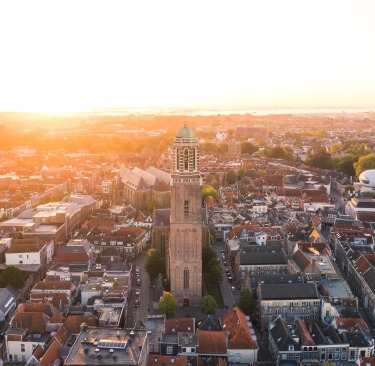
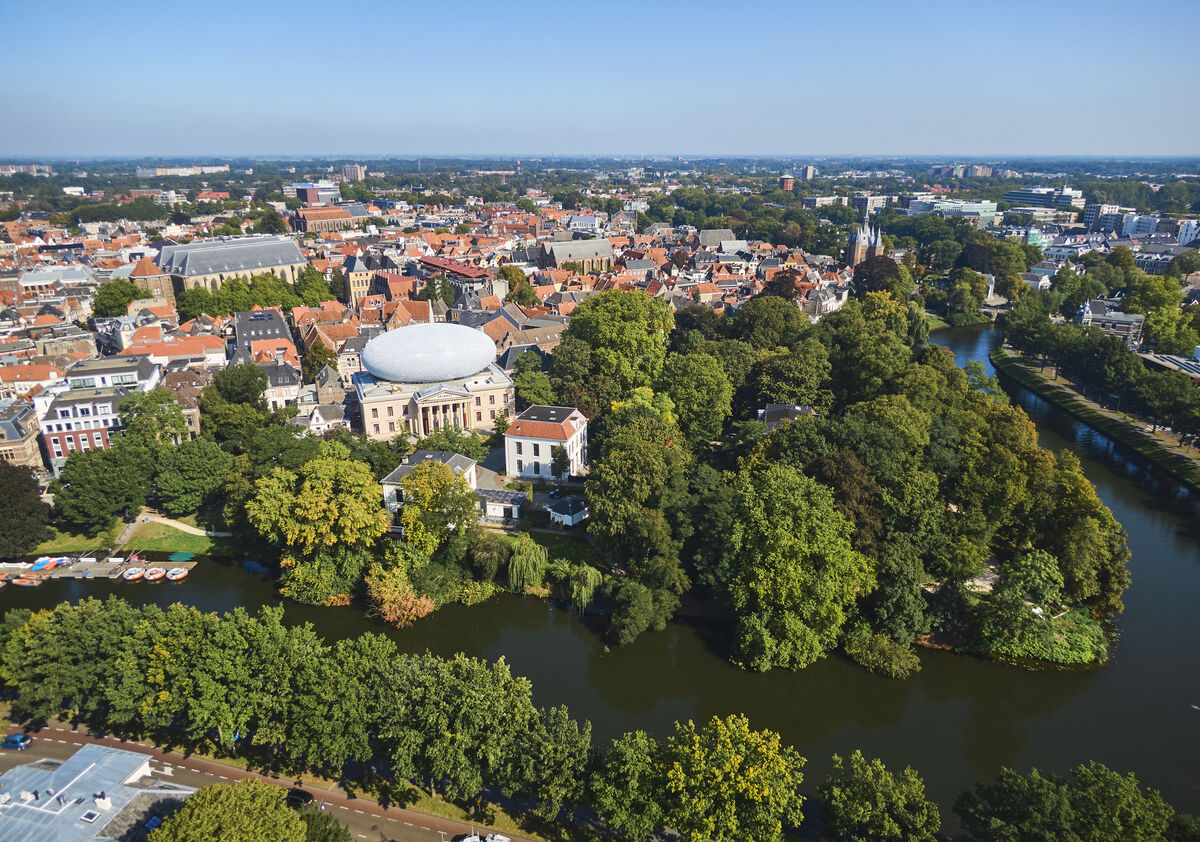
Zwolle is a municipality and the capital city of the province of Overijssel, Netherlands, 75 miles northeast of Amsterdam.


Zwolle has about 115,000 citizens and is an important city in the northern and eastern parts of the country.


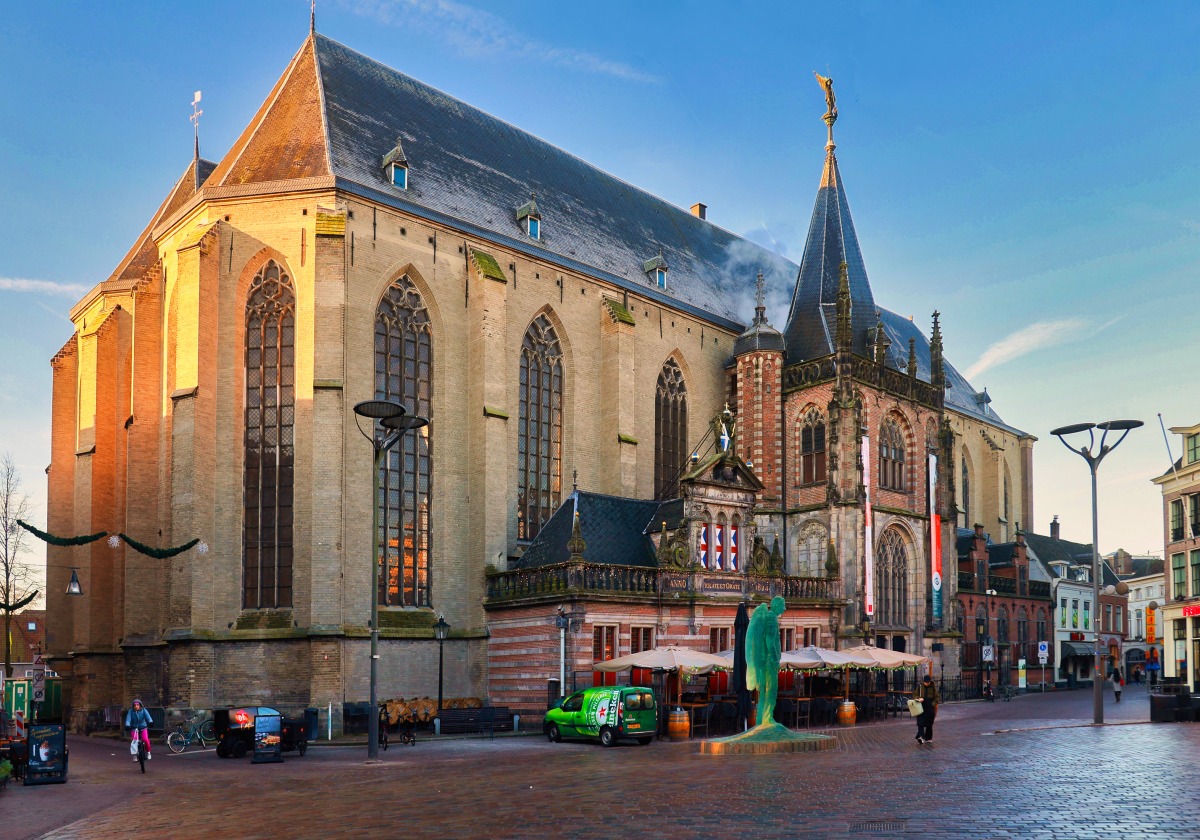
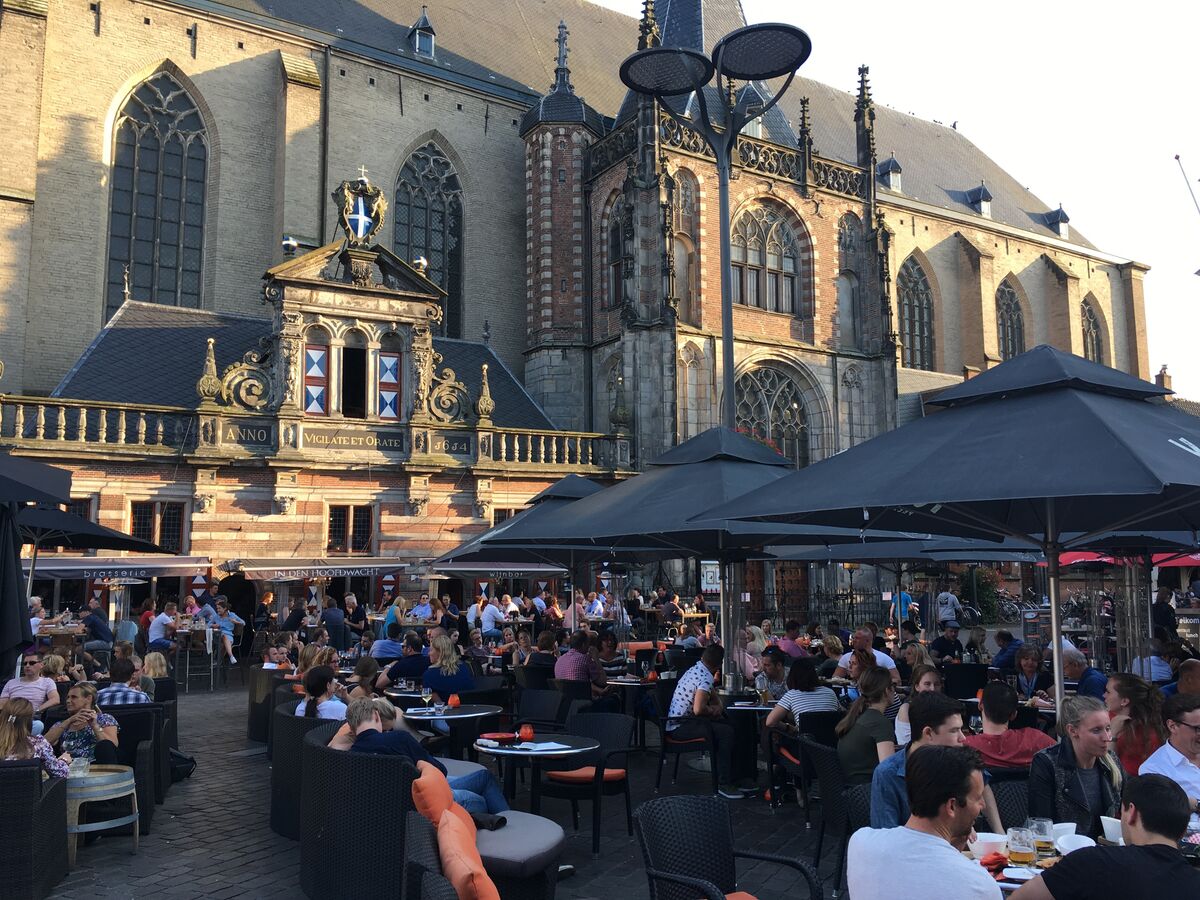
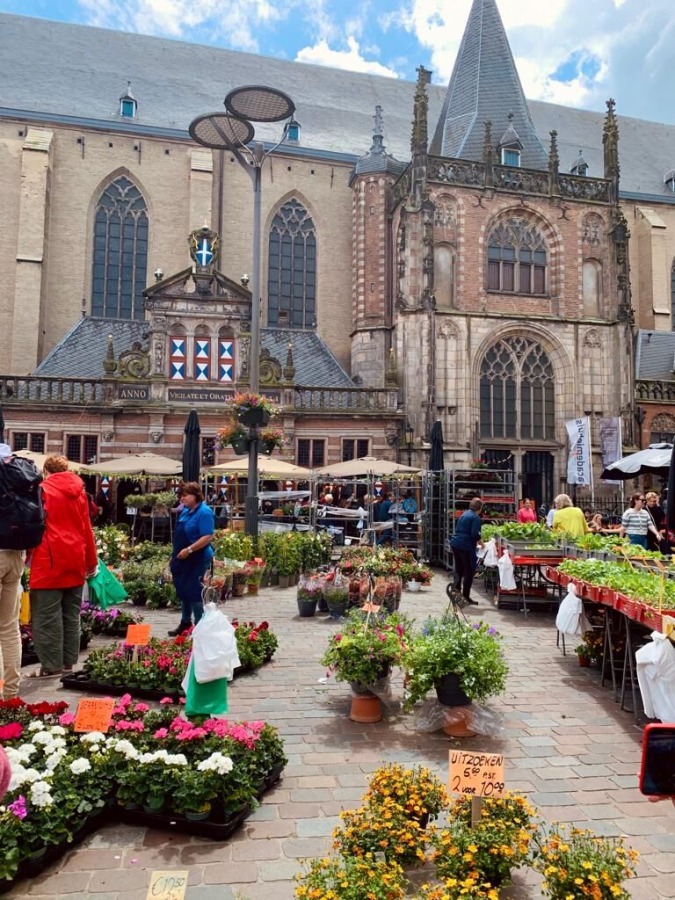
The oldest known written mention of Zwolle is from 1040. A document mentions the existence of a parish church dedicated to St Michael. That church, the Grote or Sint Michaëlskerk (big or Saint Michael church), was renovated in the first half of the 15th century and exists to this day. The church contains a richly carved pulpit, the work of Adam Straes van Weilborch (about 1620), some good carving and an exquisite organ (1721).


On August 31, 1230, the bishop of Utrecht granted Zwolle city rights. Zwolle became a member of the Hanseatic league in 1294, and in 1361 joined the war between the Hanseatic League and Valdemar IV of Denmark. In the 1370 Treaty of Stralsund that ended the war, Zwolle was awarded a vitte, a trade colony, in Scania, Sweden. Zwolle's golden age came in the 15th century. Between 1402 and 1450, the city's Gross Domestic Product multiplied by about six.


In July 1324 and in October 1361, regional noblemen set fire to Zwolle. In the 1324 fire, only nine buildings escaped the flames.


Zwolle was also, with Deventer, one of the centers of the Brethren of the Common Life, a monastic movement. Three miles from Zwolle, on a slight eminence called the Agnietenberg, (hill of St Agnes), once stood the Augustinian convent in which Thomas à Kempis spent the greatest part of his life and died (in 1471).


At least as early as 1911, Zwolle had a considerable trade by river, a large fish market, and the most important cattle market in The Netherlands after Rotterdam. The more important industries comprised cotton manufactures, iron works, boat-building, dyeing and bleaching, tanning, rope-making, and salt-making.


Citizens of Zwolle are colloquially known as Blauwvingers (Bluefingers). This dates back to a local legend that the local authorities were one day strapped for cash and saw no option but to sell church bells to neighbouring city Kampen. To make sure Kampen did not make too much profit from the deal, the local authorities asked a high price for the church bells. Kampen agreed to the deal, on the condition that they could choose their own way of paying for the church bells. Zwolle consented, and Kampen paid in copper coins of four duiten (the equivalent of 2-and-a-half cents). Because of their distrust, Zwolle wanted to be sure Kampen had truly paid the entire price. The local authorities therefore counted the money until their fingers had turned blue from the copper.


Business


 Spinoffice CRM
 Externburoblad

Places To Stay


Bars and Nightclubs


Casinos


Restaurants


Things To Do


Shopping


Tour Operators


Publications


Image Galleries


History


News


Education


AllBreakingNews.com


CRM Advies | CRM Implementatie | CRM Oplossing | CRM Oplossingen | CRM Systeem


eXTReMe Tracker